
Winter Roof Emergencies in St. Louis County: What to Do
When heavy snow piles up overnight and temperatures swing from freezing to melting in a single day, the roofs across St. Louis County face enormous stress. For homeowners, this is when small roof issues can quickly turn into winter roof emergencies in St. Louis County, leaks, collapses, ice dams, and more.
At One Way Roofing LLC, we’ve helped countless Missouri families respond to these unpredictable winter situations. Our licensed professionals have worked through snowstorms, deep freezes, and sudden thaws that expose the hidden weaknesses of aging or storm-damaged roofs. This educational guide explains what causes winter roof emergencies in St. Louis County, how to respond safely, and why timely professional intervention makes all the difference.
Understanding Winter Roof Emergencies
A winter roof emergency in St. Louis County isn’t always dramatic. Sometimes it’s as subtle as a small ceiling leak that grows overnight when ice melts. Other times, it’s sudden, a section of roofing gives way under snow weight or wind-driven sleet tears off shingles. The common thread? Missouri’s unpredictable weather patterns.
The National Weather Service (NOAA) reports that St. Louis County experiences frequent “freeze-thaw cycles” throughout December and January. These cycles expand and contract roofing materials repeatedly, leading to cracks, loose flashing, and ice accumulation. Combined with heavy snowfall or quick thaws, these conditions trigger winter roof emergencies in St. Louis County more often than most homeowners realize.
Common Causes of Winter Roof Emergencies
From our on-the-ground experience, most winter roof emergencies in St. Louis County trace back to three main causes:
1. Snow Load Stress
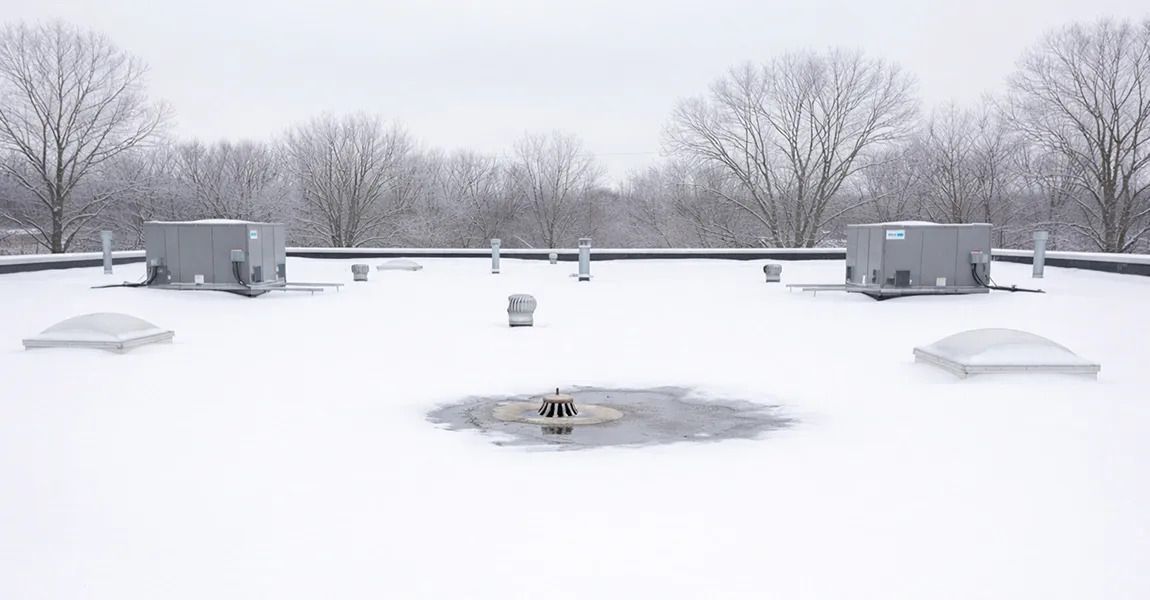
When heavy snow settles unevenly, it can strain roof framing. Flat or low-slope roofs, common in commercial and older homes, are particularly vulnerable. If you hear creaking noises or notice sagging, it’s time to call for emergency roofing service immediately.
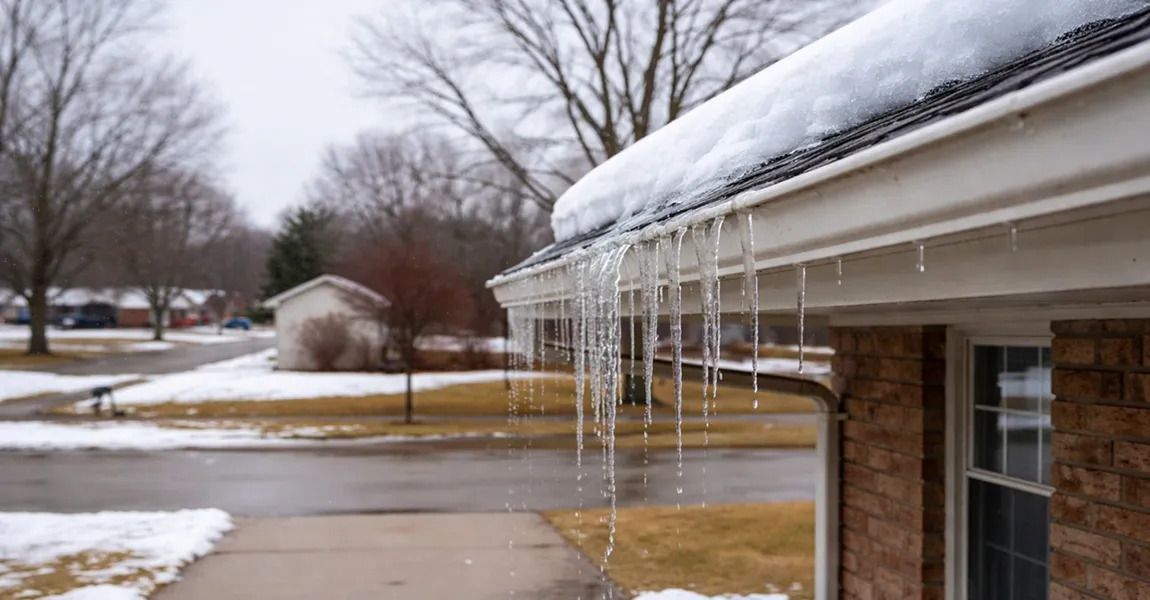
2. Ice Dams and Blocked Drainage
Meltwater from attic heat refreezes at the roof edge, forming ice ridges that trap water. Over time, this water seeps beneath shingles, leading to leaks and ceiling damage. Unchecked, it’s one of the leading triggers for winter roof emergencies in St. Louis County.
3. Wind and Storm Damage
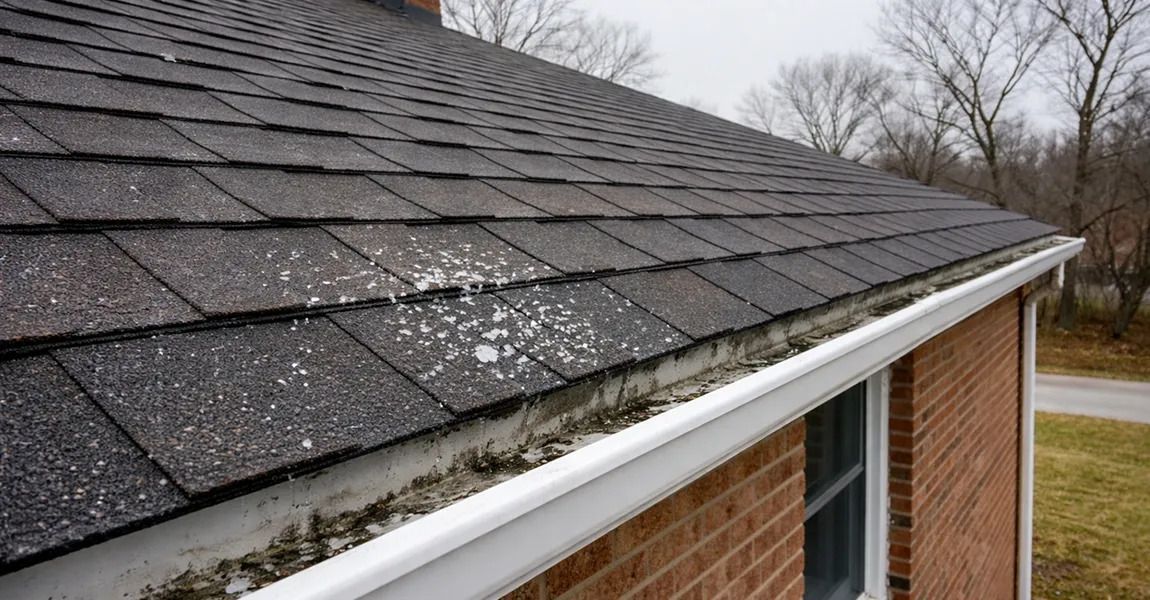
Winter windstorms can rip off shingles, loosen flashing, or detach gutters. When followed by sleet or rain, those gaps allow rapid water intrusion, another hallmark of winter roof emergencies in St. Louis County.
A Real Local Scenario: Ballwin Homeowner’s Roof Leak
In early February last year, a Ballwin homeowner contacted us after a sudden overnight melt caused water to pour into her attic. She’d heard “popping” noises earlier that week but didn’t think much of it. Upon inspection, our team found that the freeze-thaw cycle had loosened flashing near a vent stack, creating a leak path.
We performed immediate temporary sealing, then completed permanent repairs once conditions stabilized. Because she called promptly, we were able to prevent further ceiling damage and mold growth. Quick action is always the key to managing winter roof emergencies in St. Louis County safely.
The Dangers of Waiting Too Long
Delaying roof repairs in winter can escalate small problems into serious hazards. During winter roof emergencies in St. Louis County, water intrusion can soak insulation, damage framing, and even create electrical risks. Structural integrity is often compromised when moisture penetrates decking layers and refreezes overnight.
At One Way Roofing LLC, we emphasize early intervention. The phrase “wait until spring” can cost homeowners far more than a timely emergency call. Professional Emergency Roofing service ensures safety, stability, and the prevention of secondary damage.
What to Do If You Suspect a Winter Roof Emergency
If you suspect or see signs of roof trouble during cold weather, follow these steps before help arrives:
- Stay Indoors and Safe: Never climb on an icy or snow-covered roof. The risk of slipping or falling is too great.
- Contain Interior Leaks: Place buckets or tarps under drips. Move valuables and electronics away from affected areas.
- Check Attic Access: If safe, look for water penetration or frost buildup on rafters.
- Turn Down the Heat Slightly: Lowering interior temperature slows melting and may reduce leak flow.
- Call a Professional Immediately: When it comes to winter roof emergencies in St. Louis County, prompt response prevents long-term damage.
Our technicians are trained to assess conditions safely, apply emergency sealing if necessary, and plan permanent repairs once weather stabilizes. Always prioritize professional help over DIY fixes during freezing conditions.
How Roof Design Affects Winter Performance
Different roof styles react differently to snow and ice accumulation:
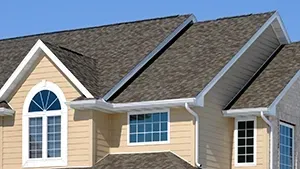
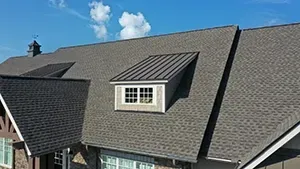
- Gable Roofs: Good runoff but prone to wind uplift if not properly fastened.
- Hip Roofs: Strong against wind but can accumulate snow near valleys.
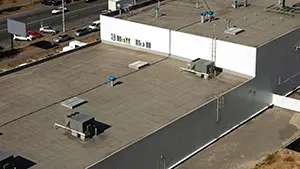
- Flat Roofs: Require constant drainage maintenance to avoid pooling and collapse risks.
Understanding your roof’s geometry helps guide proactive maintenance and effective winter roof emergency response planning in St. Louis County.
Professional Steps We Take During an Emergency
At One Way Roofing LLC, our team follows a systematic process for managing winter roof emergencies in St. Louis County safely and effectively:
- Initial Safety Assessment: Evaluating snow load, ice hazards, and entry access.
- Temporary Waterproofing: Installing protective barriers or tarp systems to stop leaks immediately.
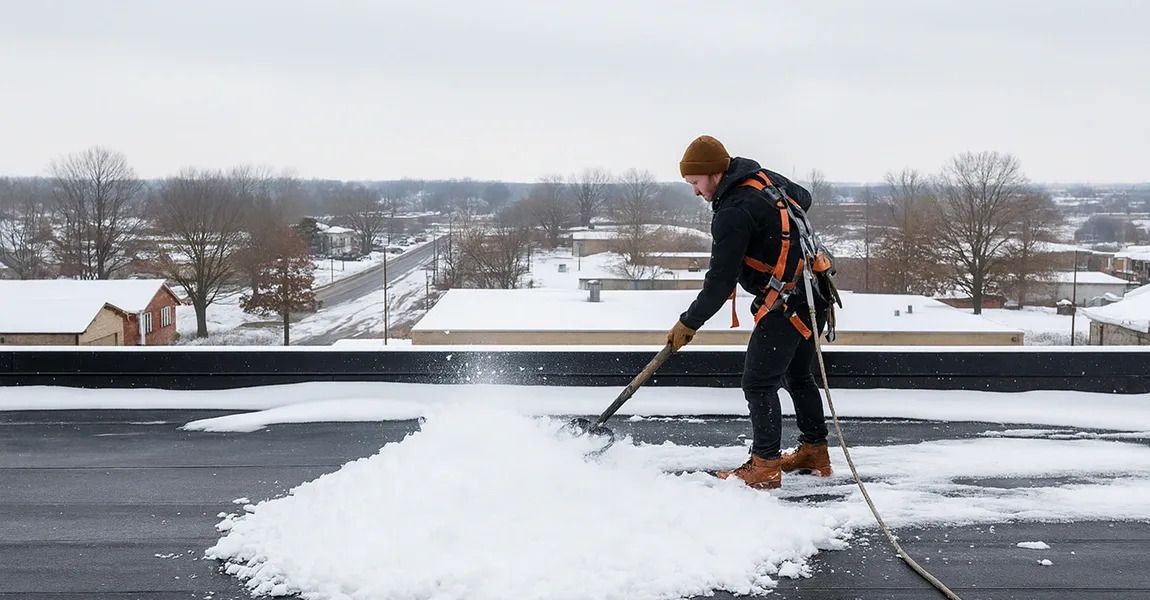
- Snow and Ice Removal: Clearing roof sections to relieve stress and identify underlying issues.
- Structural Inspection: Checking decking, rafters, and flashing for damage.
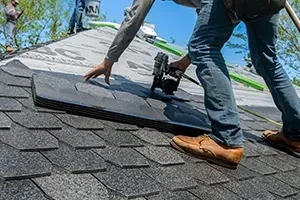
- Repair and Reinforcement: Performing emergency fixes and planning for long-term restoration once conditions allow.
Every service call adheres to OSHA safety standards and local Missouri building codes to ensure reliability.
The Role of Attic Insulation and Ventilation
Proper attic ventilation and insulation are critical to preventing winter roof emergencies in St. Louis County. Without them, warm air from inside your home melts snow unevenly on the roof surface, leading to ice dam formation and moisture intrusion.
Our roofing experts often find blocked soffit vents, under-insulated ceilings, or disconnected exhaust ducts as root causes. During service calls, we document these conditions and provide recommendations to improve overall roof performance before the next storm.
Heavy Snow and Sudden Melt Cycles
Missouri’s winter weather can swing dramatically from one day to the next. One week might bring six inches of snow, followed by two days of 50°F sunshine. These rapid shifts, known as melt cycles, cause moisture to creep under shingles and refreeze at night.
Such conditions are a top driver of winter roof emergencies in St. Louis County, particularly for older roofs nearing the end of their lifespan. Proactive inspections after major storms or heavy melt events help detect early signs of damage before they become emergencies.
During winter roof emergencies in St. Louis County, our advice is always to call for emergency repair, not to file a claim or delay service. Insurance may play a role later, but immediate professional response protects your home first. We handle the repair process with a focus on safety, documentation, and long-term prevention, not policy processing.
Tips for Preventing Future Emergencies
Once repairs are complete, homeowners can take steps to reduce the risk of recurring winter issues:
- Schedule a pre-winter roof inspection every fall.
- Keep gutters clean and downspouts clear for proper drainage.
- Trim overhanging branches that deposit snow and ice on the roof.
- Add insulation and ventilation improvements to stabilize attic temperature.
- Monitor attic humidity levels to prevent condensation damage.
These measures are simple but powerful tools for avoiding winter roof emergencies in St. Louis County year after year.
Local Expertise: How Missouri Weather Shapes Roof Care
Unlike states with steady cold, Missouri’s mix of snow, sleet, and rain creates special challenges. The humid air from the Mississippi River basin, combined with strong winter winds, means roofs here endure more stress than those in drier climates.
Our crews routinely service homes from Chesterfield to Florissant, seeing firsthand how regional microclimates affect roofing performance. That’s why we tailor every winter roof emergency solution to your neighborhood’s specific weather patterns, because local conditions matter.
What Sets Our Emergency Roofing Services Apart
We don’t just patch leaks, we stabilize and strengthen your roof against future events. Our Emergency Roofing services include:
- 24/7 emergency response across St. Louis County
- Temporary tarp or seal installation to stop active leaks
- Ice and snow removal from problem areas
- Expert damage assessment with repair documentation
- Follow-up inspection for long-term reliability
Our goal is to restore safety and functionality as quickly as possible while ensuring every repair meets quality standards.
Customer Story: Chesterfield Roof Collapse Averted
In late January, after record snowfall followed by rain, a Chesterfield homeowner noticed the drywall in her upstairs hallway sagging. Our emergency team arrived within hours. The attic revealed water-saturated insulation and a heavy ice layer weighing on the rafters.
We cleared snow, stabilized the structure, and installed temporary bracing before completing permanent reinforcement once weather allowed. Without that immediate response, her ceiling likely would have collapsed. That’s how timely action during winter roof emergencies in St. Louis County can protect both property and safety.
Your Local Partner for Reliable Winter Roof Help
St. Louis County winters are tough on roofs, but with the right expertise, they don’t have to spell disaster. Whether you’re dealing with leaks, ice buildup, or snow stress, One Way Roofing LLC is here to help. Our certified team brings local knowledge, safe procedures, and practical solutions to every call.
For winter updates, behind-the-scenes projects, and community news, Visit our Facebook page.
Call One Way Roofing for emergency repair and inspection today.
Frequently Asked Questions
What qualifies as a winter roof emergency?
Any condition that causes active leaks, sagging, or visible damage during cold weather qualifies as a winter roof emergency in St. Louis County.
Is it safe to remove snow myself?
No. Roof snow removal is risky. Always contact professionals trained to handle icy surfaces safely.
Can emergency repairs be done during freezing temperatures?
Yes. We use specialized materials and techniques designed for cold-weather application during winter roof emergencies in St. Louis County.
Should I wait until the storm passes to call?
No. Early contact ensures you’re scheduled promptly and that we can take protective measures even before repairs begin.
Will you inspect my attic as part of the service?
Absolutely. Attic checks are part of every winter roof emergency assessment to identify hidden moisture or heat loss issues.