
Hidden Winter Roof Damage in Missouri: After the Snow Falls
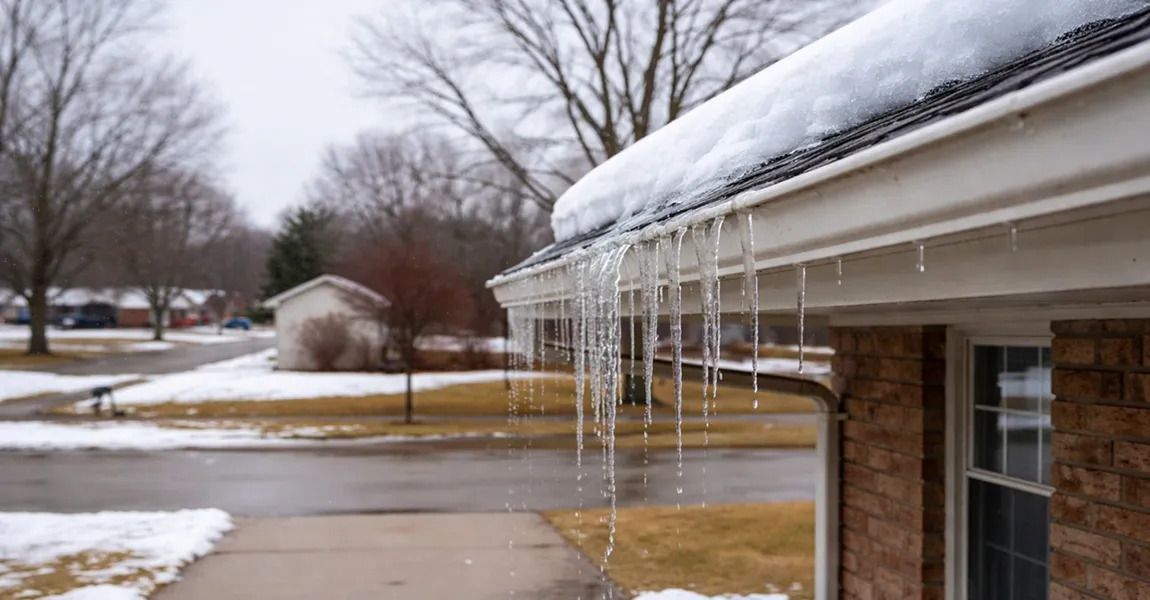
Late February in Missouri often brings a familiar scene. Snow piles shrink, gutters start dripping, and roofs that looked fine all winter suddenly show signs of trouble. This is the exact moment when hidden winter roof damage in Missouri begins to reveal itself. The danger is not the snow you saw, but the slow damage it caused underneath.
At One Way Roofing, we see this pattern every year across St. Louis County and surrounding areas. Homeowners call after noticing water stains, damp smells, or dripping eaves during a thaw. In many cases, the damage started weeks earlier, quietly developing under snow and ice. This guide explains how hidden winter roof damage in Missouri forms, what to watch for after the snow falls, and why a post-winter inspection is one of the smartest steps you can take before spring storms arrive.
Why Late-February Thaws Are a Warning Sign
Missouri winters rarely end cleanly. Instead of a steady warm-up, we get repeated freeze-thaw cycles. Snow melts during mild afternoons, then refreezes overnight. According to NOAA, these late-winter temperature swings are common across eastern Missouri and often continue into early March.
These cycles are the perfect trigger for hidden winter roof damage in Missouri. Water works its way into small gaps around shingles, flashing, and nail penetrations. When it refreezes, it expands, slowly prying materials apart. You may not see any problem until the snow melts and gravity finally pulls that trapped water down into your attic or walls.
What Makes Winter Roof Damage “Hidden”
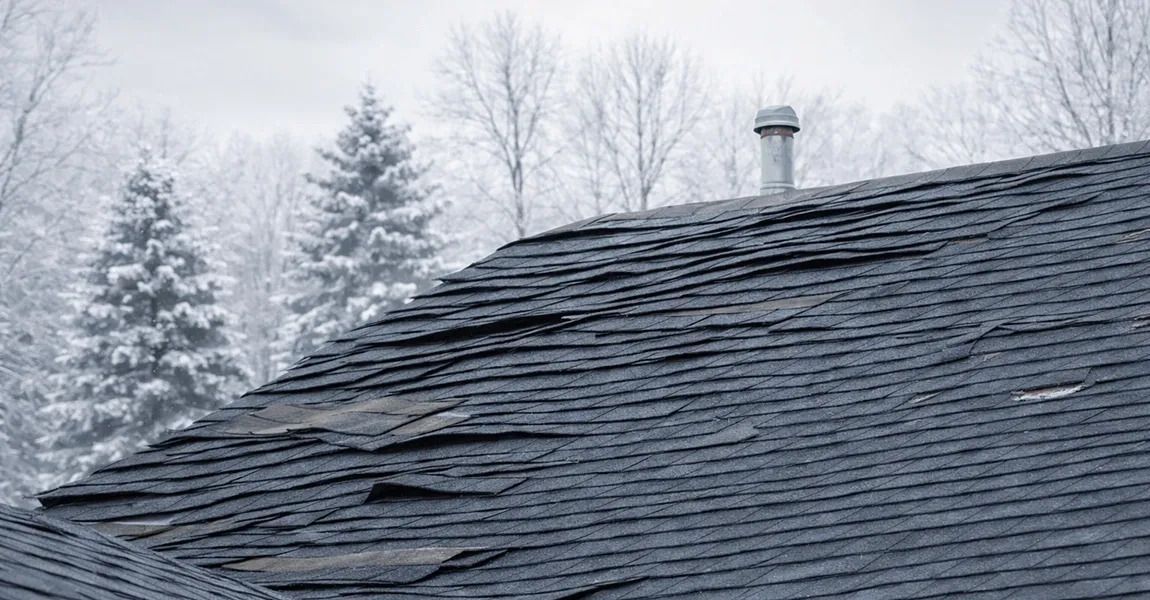
Winter roof damage is different from storm damage. There may be no missing shingles, no obvious holes, and no dramatic failure. Instead, hidden winter roof damage in Missouri develops quietly.
Common hidden issues include:
- Slightly lifted shingles that reseal temporarily when cold
- Hairline flashing separations around chimneys and vents
- Ice dam pressure that forces water under shingles
- Moisture trapped in attic insulation
- Small decking soft spots that do not show from above
These problems often stay invisible until late winter thaw exposes them.
Local Scenario: Wentzville Home After a February Melt
Earlier this year, a homeowner in Wentzville contacted us after noticing water dripping from the eaves during a warm spell. There had been no leaks all winter. During our inspection, we found damp insulation near the roof edge and minor shingle lift caused by ice dam pressure.
The damage occurred weeks earlier but stayed hidden under snow. Once the thaw began, gravity did the rest. This is a classic example of hidden winter roof damage in Missouri showing up after the snow falls, not during the storm itself.
How Ice Dams Contribute to Hidden Damage
Ice dams are one of the biggest causes of hidden winter roof damage in Missouri. They form when heat from the attic melts snow on the roof, which then refreezes near the eaves. The ice ridge blocks water from draining properly.
As water backs up, it seeps under shingles and into the roof assembly. The damage often stays out of sight until late winter or early spring, when thawing finally allows water to travel downward.
Even homes without dramatic icicles can suffer ice dam damage. Subtle ice buildup can still cause moisture intrusion that remains hidden for months.
Why Missouri Roofs Are Especially Vulnerable
Missouri roofs face a unique mix of challenges. Compared to hailstorms in Huron or sudden monsoons in Ohio, Missouri winters bring prolonged cold mixed with frequent thaws. This pattern increases the risk of hidden winter roof damage in Missouri.
High humidity levels also play a role. Moisture stays trapped longer in roof assemblies, especially when ventilation is limited. That moisture slowly weakens materials, even when there is no active leak.
Signs to Watch for After the Snow Melts
Once snow begins to disappear, homeowners should stay alert. The following signs often indicate hidden winter roof damage in Missouri:
- Dripping water at eaves during warm afternoons
- Water stains on ceilings or upper walls
- Damp or compressed attic insulation
- Musty smells in the attic or upper rooms
- Peeling paint near rooflines
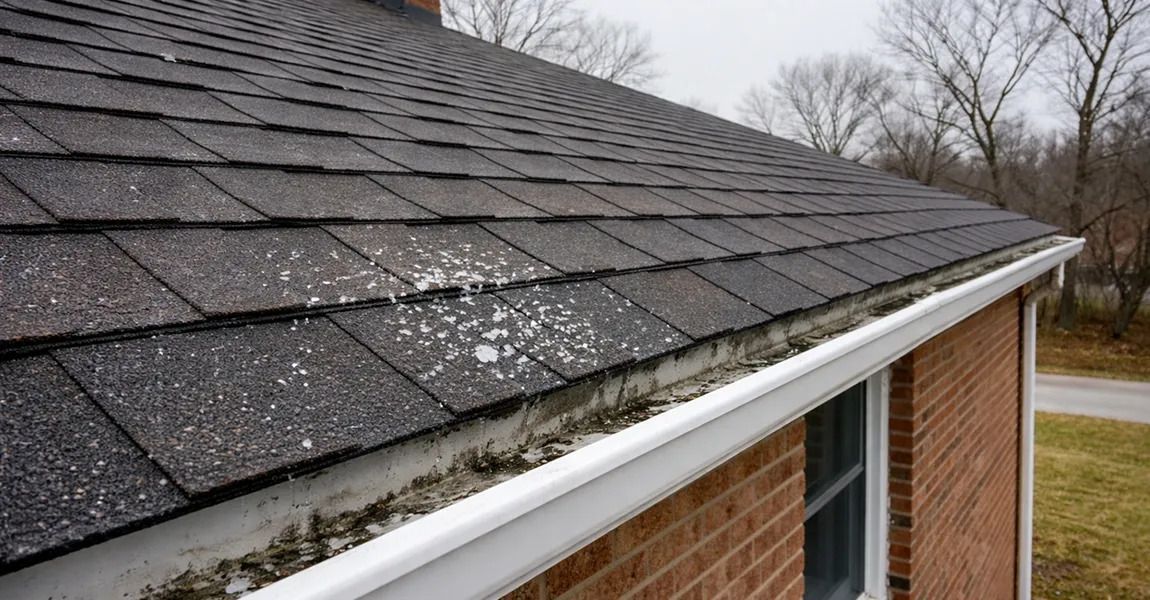
- Granules collecting in gutters after snow melt
These symptoms mean winter stress has already taken its toll.
The Role of Attic Ventilation and Insulation
Many cases of hidden winter roof damage in Missouri start in the attic. Poor ventilation allows warm air to build up, melting snow unevenly on the roof. That uneven melting fuels ice dams and moisture intrusion.
Insulation gaps also matter. Warm spots over kitchens, bathrooms, and living areas create melt zones that refreeze near roof edges. Over time, this cycle causes hidden damage that only becomes visible during late-winter thaws.
During inspections, our licensed roofers pay close attention to attic airflow and insulation coverage because these details often explain why damage occurred.
Why Waiting Until Spring Is Risky
Spring rain does not gently test your roof. It pours into every weak spot winter creates. If hidden winter roof damage in Missouri goes unnoticed, spring storms can turn minor issues into major interior damage.
Late February and early March are the best times to inspect. Snow is melting, but heavy rain has not fully arrived. This timing allows repairs to be made before water intrusion escalates.
What a Post-Winter Roof Inspection Includes
A professional inspection after winter focuses on the areas most affected by cold and ice. At One Way Roofing, our post-winter inspections include:
- Shingle evaluation for lift, cracking, and granule loss
- Flashing checks at chimneys, vents, and roof transitions
- Gutter and eave inspection for ice dam damage
- Attic moisture assessment
- Decking inspection for early soft spots
This process is designed specifically to uncover hidden winter roof damage in Missouri before it spreads.
For homeowners who want a detailed evaluation, our Roof Inspections service is built around these seasonal risks.
Licensed Roofer Insight: Patterns We See Every Year
From a professional standpoint, winter damage leaves patterns. We often see damage clustered near eaves, valleys, and roof penetrations rather than randomly across the roof. These patterns tell us the issue developed over time, not from a single event.
Understanding these patterns is key to identifying hidden winter roof damage in Missouri early and fixing it correctly.
Documentation Matters Even Without Visible Leaks
Even if no active leaks are present, documenting roof condition after winter is smart. Photos, inspection notes, and moisture readings help track changes year over year.
This approach aligns with best practices recommended by roofing professionals and avoids guesswork. Monitoring and inspection are the safest ways to manage hidden winter roof damage in Missouri. We focus on inspection and education, not pressure. To see seasonal projects and local updates, you can also visit our Facebook page.
Practical Steps Homeowners Can Take Right Now
To reduce the impact of hidden winter roof damage in Missouri, homeowners should:
- Inspect attic areas after major thaws
- Check ceilings for faint stains
- Observe where water drips during melting periods
- Clear gutters once ice has melted
- Schedule a professional inspection before spring storms
These steps help catch problems early.
Stay Ahead of Spring Storms
Winter damage does not always announce itself during the storm. More often, it appears quietly after the snow falls and the thaw begins. Recognizing hidden winter roof damage in Missouri early allows homeowners to repair issues before spring weather makes them worse.
At One Way Roofing, we help homeowners protect their roofs with careful inspections and clear guidance.
Schedule a post-winter roof inspection before spring storms hit.
Frequently Asked Questions
Can winter roof damage really stay hidden?
Yes. Many winter issues do not cause leaks until thawing allows water to move freely.
Is late February too late for an inspection?
No. Late winter is one of the best times to uncover hidden winter roof damage in Missouri before spring rain.
What if no damage is found?
That is still valuable. Inspection confirms your roof handled winter well and establishes a baseline for future seasons.
Are older roofs more vulnerable?
Older roofs tend to show winter damage sooner, but newer roofs can also be affected by ice dams and ventilation issues.
How often should post-winter inspections be done?
Once every year is ideal, especially after heavy snow seasons.