


Mid-winter in Missouri brings heavy snow accumulation, long cold stretches, and sudden warm-ups that put intense pressure on commercial and residential flat roofing systems. Property owners often underestimate how vulnerable flat roofs in Missouri winter conditions can be compared to sloped roofs. Without proper drainage angles, even small amounts of snowmelt can pool, refreeze, and quietly cause structural stress.
At One Way Roofing, we work on flat roofing systems across St. Louis County and surrounding areas year-round. Every winter, we see preventable damage caused by snow load, ice buildup, and poor water management. This guide explains how flat roofs in Missouri winter behave, what risks to watch for, and how proactive maintenance prevents serious damage before spring arrives.
Why Flat Roofs Need Special Winter Attention
Flat roofs are engineered differently than pitched roofs. While they are never truly “flat,” their low slope relies on internal drains, scuppers, or gutters to move water off the surface. During flat roofs in Missouri winter conditions, these drainage paths are easily blocked by snow, ice, or debris.
Missouri’s winter climate is especially challenging. Snow often accumulates over several storms, then partially melts during short warm spells before refreezing overnight. According to NOAA, Missouri regularly experiences freeze thaw cycles throughout January and February. For flat roofs, that cycle creates standing water that freezes, expands, and stresses seams, membranes, and insulation.
This is why flat roofs in Missouri winter environments demand a proactive approach instead of a wait-and-see mindset.
The Biggest Winter Risks for Flat Roofs
Understanding how damage starts is the first step toward prevention. The most common threats to flat roofs in Missouri winter include:
Snow Load Stress
Flat roofs hold snow longer than sloped systems. Wet, compacted snow can weigh significantly more than fresh powder. Over time, this weight strains roof decking and structural supports, especially on older buildings.
Ponding Water
When snow melts unevenly, water can pool on the roof surface. In flat roofs in Missouri winter, that water often refreezes overnight, expanding and stressing the membrane.
Ice Blocking Drains
Roof drains and scuppers are critical. If they freeze or clog, meltwater has nowhere to go. Repeated freeze thaw cycles around blocked drains are a leading cause of membrane failure.
Membrane Brittleness
Cold temperatures make roofing membranes less flexible. Seams and flashing are more likely to crack or separate under stress, particularly during flat roofs in Missouri winter conditions.
How Missouri Weather Makes Flat Roofs More Vulnerable
Missouri winters are unpredictable. A single week can bring heavy snow, freezing rain, and then a 45-degree afternoon. These sudden shifts are especially hard on flat roofs in Missouri winter scenarios because water doesn’t shed quickly.
In regions like St. Louis County, where humidity remains relatively high even in winter, snow tends to be heavier and wetter. That moisture lingers longer on flat surfaces, increasing the risk of ponding and ice formation.
Compared to hailstorms in Huron or sudden monsoons in Ohio, Missouri’s danger is persistence. The damage happens slowly, over weeks of snow accumulation and repeated refreezing.
Real Local Scenario: Warehouse Roof in St. Peters
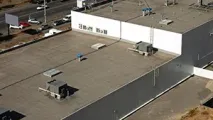
Earlier this winter, One Way Roofing responded to a call from a St. Peters property manager after noticing ceiling stains in a commercial warehouse. The roof had handled snow for years without issue, but this winter was different.
During inspection, we found multiple inches of compacted snow surrounding a frozen internal drain. Meltwater had pooled, refrozen, and slowly separated the membrane seam. This is a classic flat roof in Missouri winter failure pattern.
We safely cleared the snow, thawed and reopened the drain, and reinforced the affected membrane areas. Had the issue gone unnoticed another week, structural decking damage would have followed.
Why Drainage Is the #1 Priority
If there is one rule for protecting flat roofs in Missouri winter, it is this: water must always have a clear path off the roof.
Professional winter flat roof care focuses heavily on:
- Keeping drains, scuppers, and gutters clear
- Removing snow buildup before thaw cycles
- Checking drain bowls and strainers for ice formation
- Ensuring slope is functioning as designed
Even a small obstruction can turn melting snow into a serious problem. Flat roofs do not forgive poor drainage, especially in Missouri’s climate.
The Role of Insulation and Roof Assembly
Flat roof systems rely on insulation not just for energy efficiency, but for moisture control. During flat roofs in Missouri winter, heat escaping from the building can warm sections of the roof unevenly.
That uneven warming causes localized melting, which refreezes when temperatures drop again. Over time, this stresses membranes and seams. Proper insulation thickness and vapor barriers help regulate roof temperature and reduce these cycles.
Licensed roofers often identify insulation compression or moisture saturation during winter inspections. Addressing these issues early helps preserve the entire roof assembly.
Snow Removal: When and How It Should Be Done
Not every snowfall requires removal, but mid-winter heavy accumulation should never be ignored. For flat roofs in Missouri winter, snow removal is about reducing load and preventing ice dams around drains.
Key guidelines include:
- Never use metal tools that can damage the membrane
- Remove snow evenly to avoid uneven weight distribution
- Focus on clearing around drains and low points
- Avoid creating ice ridges by piling snow in one area
This is not a DIY task for most property owners. Professional crews use proper tools and safety procedures to protect both the roof and the people working on it.
Flat Roof Materials and Winter Performance
Different flat roofing materials respond differently to cold stress. Common systems in Missouri include TPO, EPDM, and modified bitumen.
- TPO can become rigid in extreme cold, making seams more vulnerable
- EPDM remains flexible but can shrink slightly over time
- Modified bitumen handles cold well but relies on intact seams
A professional inspection evaluates how your specific system is handling flat roofs in Missouri winter conditions and identifies areas that need reinforcement.
If long-term wear is identified, planning ahead for upgrades through Commercial Flat Roofing services may be recommended after winter.
Licensed Roofer Insight: What We Watch For First
From a licensed roofer’s perspective, winter flat roof inspections focus on patterns, not just damage. We look for recurring ponding zones, stressed seams, and insulation-related heat loss.
On flat roofs in Missouri winter, the same weak points tend to show up year after year unless corrected. Monitoring those areas and making small adjustments can dramatically extend roof life.
Why Waiting for Spring Is Risky
Many property owners plan to “deal with it in spring.” Unfortunately, flat roofs in Missouri winter conditions do not pause damage while you wait.
Spring rain adds volume to already stressed systems. What was a minor seam separation in February can become interior water damage in March.
Late winter is the last safe window to inspect, clear, and reinforce flat roofing systems before spring storms arrive. Our approach focuses on prevention, inspection, and repair. We do not advise on financial recovery or claims. Protecting flat roofs in Missouri winter conditions is about proactive care, not reacting after damage spreads. We don’t guess. Every inspection is based on real conditions observed on your roof. To see recent winter projects and local updates, you can also Visit our Facebook page.
Preventive Checklist for Flat Roof Owners
To reduce risk during flat roofs in Missouri winter, property owners should:
- Schedule at least one mid-winter inspection
- Monitor snow depth after major storms
- Keep drains visible and functional
- Watch for interior ceiling stains
- Address small issues immediately
These steps help catch problems early and protect long-term roof performance.
Protect Your Flat Roof Before Damage Starts
Flat roofs can perform well in Missouri winters, but only with proactive care. Snow load, ice, and blocked drainage do not resolve on their own.
At One Way Roofing, we help property owners protect their investment with clear inspections, safe snow management, and expert repairs tailored to Missouri conditions.
Schedule a professional inspection to clear and protect your flat roof.
Frequently Asked Questions
How much snow is too much for a flat roof?
It depends on roof design and snow density. Wet snow is much heavier. A professional inspection is the safest way to assess risk.
Can flat roofs handle Missouri winters?
Yes, when properly maintained. Flat roofs in Missouri winter conditions require consistent monitoring and drainage management.
Is ice more dangerous than snow?
Ice often causes more damage because it blocks drains and expands at seams.
How often should flat roofs be inspected in winter?
At least once mid-winter and after major snow events.
Should drains be heated?
In some cases, yes. Heat trace systems can help prevent freezing in high-risk areas.