
Hidden Dangers: Ice Dam Prevention in St. Charles County
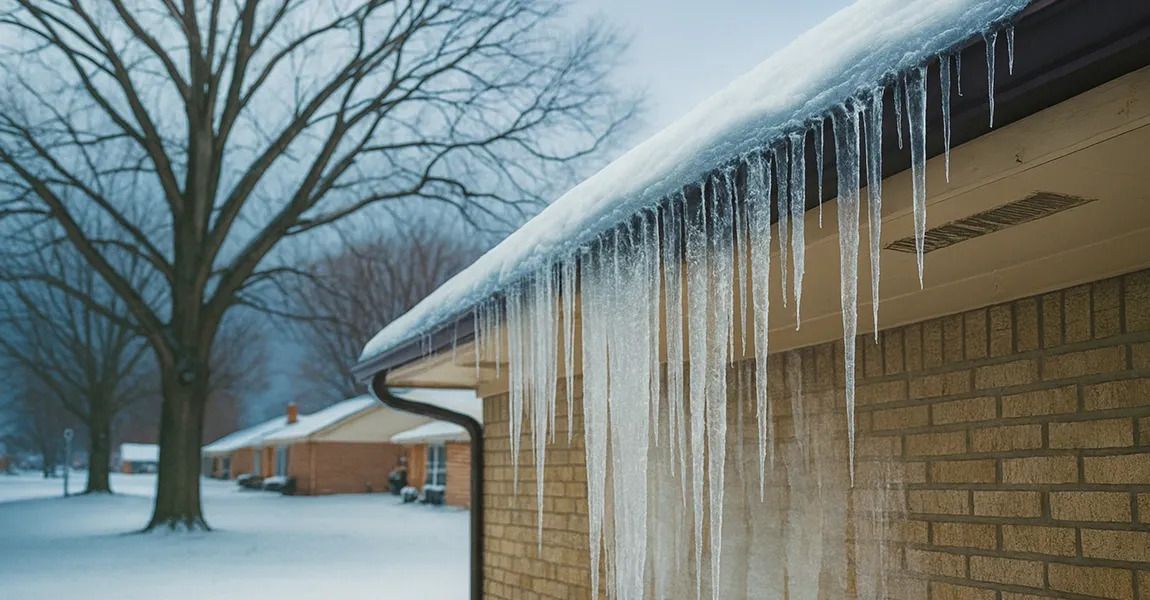
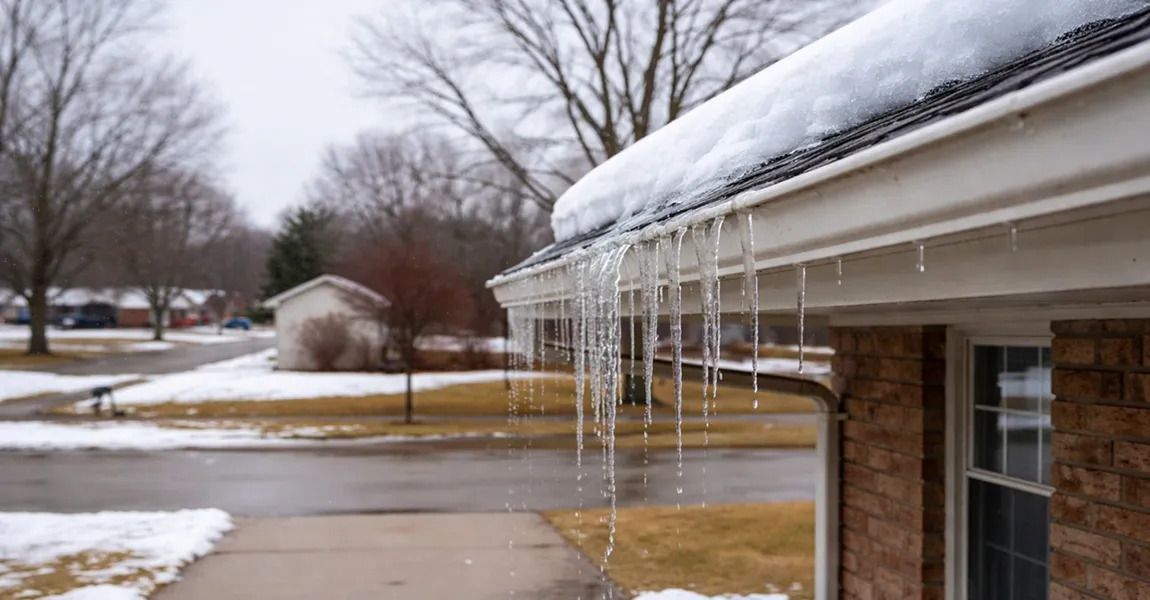
When temperatures rise and fall around freezing, many St. Charles homeowners notice beautiful, but dangerous, icicles forming along their gutters. While they may look harmless, those glistening spikes can be a warning sign of hidden water damage above your home. The real threat is what you can’t see: thick ridges of ice called ice dams. Understanding ice dam prevention in St. Charles is essential to keeping your home safe during Missouri’s unpredictable winters.
At One Way Roofing LLC, our local roofing team has spent years helping families across St. Charles County protect their homes from the silent damage caused by freeze-thaw cycles. In this guide, we’ll share real-world insights, simple fixes, and professional strategies for ice dam prevention in St. Charles, especially during those tricky winter temperature swings.
How Ice Dams Form
The science behind ice dams starts inside your attic. When warm air from your home escapes into the attic space, it heats the underside of your roof deck. That warmth melts the snow sitting on your shingles. As the meltwater runs down toward the eaves, where the roof surface is colder, it refreezes, creating a barrier of ice. Over time, that ice thickens and traps more water behind it.
When this happens repeatedly, water finds its way under shingles, behind flashing, and even into the attic insulation. That’s why professional ice dam prevention in St. Charles focuses not on the ice itself, but on the conditions that cause it: poor insulation, uneven ventilation, and insufficient drainage.
The Role of Missouri’s Weather in Ice Formation
St. Charles winters are known for dramatic temperature swings. You might wake up to 20°F and end the day near 40°F with sunshine. These fluctuations create ideal conditions for melt-and-refreeze cycles, the perfect recipe for ice dams.
NOAA reports that eastern Missouri experiences multiple freeze-thaw events every December through February. That means homeowners need consistent ice dam prevention in St. Charles, not just after a big snowfall but throughout the season. Even light snowfalls can trigger ice buildup when daytime temperatures hover above freezing and nights dip below it.
The Hidden Dangers of Ice Dams and Icicles
The icicles hanging from your gutters aren’t just a cosmetic concern, they’re often the visible symptom of a deeper issue. Left unchecked, ice dams can lead to:
- Roof shingle damage from water intrusion
- Soaked insulation that reduces energy efficiency
- Interior ceiling stains or leaks
- Warped fascia and gutter detachment
- Mold growth from trapped moisture
Homeowners often discover these problems weeks later, once the snow melts and water stains appear inside. That’s why early ice dam prevention in St. Charles can save you from costly repairs later in winter.
Local Example: A St. Charles Homeowner’s Experience
Last January, one of our clients in Cottleville called after noticing long icicles stretching from her eaves to the porch railing. Inside, small water spots had begun forming near a skylight. During our inspection, we found uneven insulation in her attic and blocked soffit vents, two key factors in poor ventilation.
We rebalanced the attic airflow, added insulation over the living area, and sealed the exhaust ducts properly. By the next storm, there were no new icicles, and the roof surface remained evenly cold. That’s real-world ice dam prevention in St. Charles at work: addressing the cause, not just the symptom.
Why Proper Insulation and Airflow Matter
Most ice dam problems begin with heat escaping into the attic. That heat warms the roof unevenly, creating meltwater that refreezes near the gutterline. Improving insulation and ventilation is the foundation of effective ice dam prevention in St. Charles.
Insulation Tips
- Ensure attic insulation levels meet recommended R-values for Missouri’s climate (typically R-49).
- Check for gaps or compressed areas near ceiling joists.
- Seal air leaks around plumbing vents, recessed lights, and attic hatches.
Ventilation Tips
- Keep soffit vents open and unobstructed.
- Pair soffit vents with ridge or gable vents for consistent airflow.
- Avoid covering vents with insulation, a common mistake that traps warm air.
By maintaining proper temperature balance, your roof stays uniformly cold, reducing the chances of meltwater forming ice dams.
Roof Design and Material Considerations
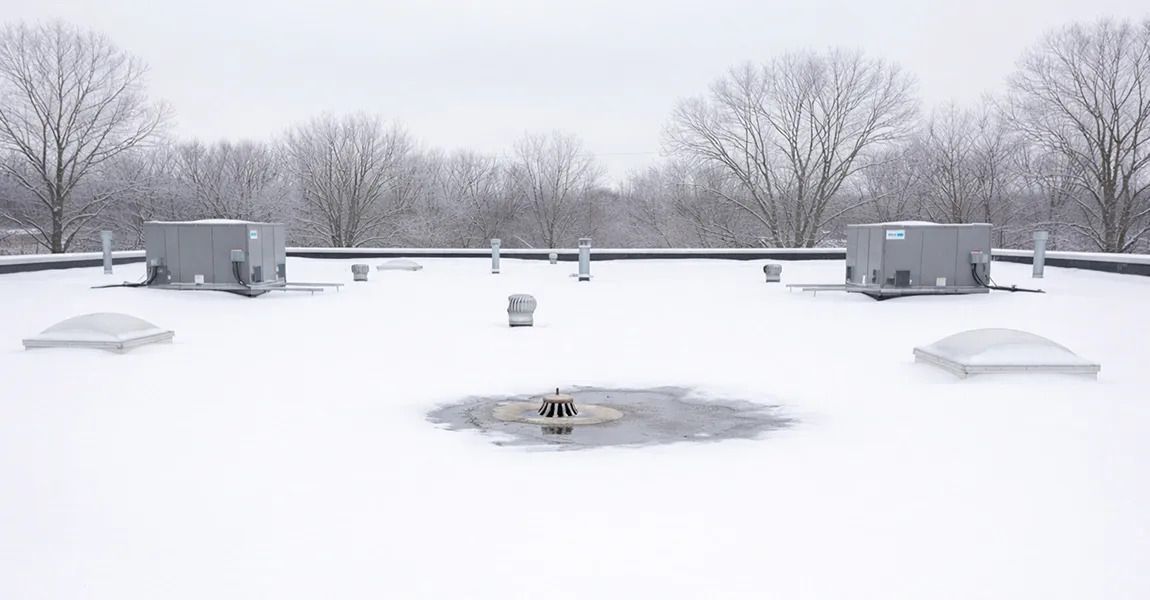
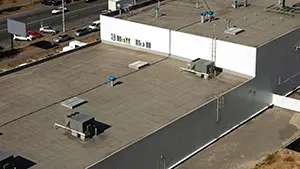
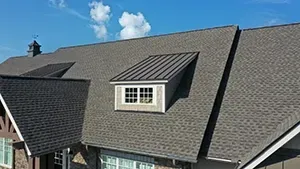
Different roofing materials respond differently to Missouri’s freeze-thaw patterns. Asphalt shingles are most common in St. Charles County and work well when properly ventilated. However, flat or low-slope roofs can trap water more easily, increasing the risk of ice damming.
If your roof is older or unevenly pitched, you might need professional evaluation for targeted ice dam prevention in St. Charles. In some cases, installing an ice and water shield membrane along eaves can provide extra protection during winter storms.
Warning Signs That You Have an Ice Dam Problem
Knowing what to watch for can prevent minor issues from becoming major damage. Common red flags include:
- Large icicles forming only in certain areas of the roof
- Uneven snow melting, bare patches near the ridge but thick snow near the gutters
- Water dripping from soffits or siding
- Cold drafts near ceiling fixtures
- Damp insulation or musty smells in the attic
If you notice any of these warning signs, it’s time to call a professional for ice dam prevention in St. Charles before the next freeze-thaw cycle.
How Professional Roofers Prevent Ice Dams
At One Way Roofing LLC, our certified team follows a precise, step-by-step process for long-term ice dam prevention in St. Charles:
- Attic Inspection: We assess insulation depth, moisture levels, and heat loss points.
- Ventilation Balance: Adjusting soffit and ridge vents to promote consistent air movement.
- Sealing Gaps: Closing air leaks where warm air escapes into the attic.
- Roof Surface Check: Inspecting shingles, flashing, and gutters for damage or obstructions.
- Water Flow Management: Cleaning and reinforcing gutter systems to ensure proper drainage.
We also educate homeowners on ongoing maintenance, so you can monitor your roof’s health between professional visits.
Preventive Maintenance You Can Do at Home
While professional inspections are essential, homeowners can support ice dam prevention in St. Charles with regular upkeep:
- Clear gutters before the first major freeze.
- Trim overhanging branches to prevent shade-related melting patterns.
- Use a roof rake to gently remove heavy snow without damaging shingles.
- Keep downspouts open to encourage proper drainage.
Never attempt to chip away ice from your roof, it can cause shingle damage and injury. Always rely on professionals for safe removal.
Common Myths About Ice Dams
Homeowners often try quick fixes that make things worse. Let’s clear up a few misconceptions about ice dam prevention in St. Charles:
- Myth: Throwing salt on your roof melts ice.
Truth: Salt damages shingles and corrodes gutters. - Myth: Heat cables solve the problem completely.
Truth: They can help, but without proper insulation and airflow, ice dams will return. - Myth: New roofs can’t develop ice dams.
Truth: Even new roofs can form ice dams if the attic is too warm or ventilation is blocked.
Effective prevention starts with understanding how your roof and attic work together.
Focus on Attic Conditions, Not Policy Claims
At One Way Roofing LLC, we emphasize safe and practical ice dam prevention in St. Charles through attic ventilation and insulation, not financial or policy-based advice. Our priority is your home’s long-term stability, energy efficiency, and protection from moisture-related damage.
We never make insurance claim guarantees. Instead, we provide documented evaluations and repair recommendations based on certified roofing standards and Missouri building codes.
How Ice Dams Affect Gutters and Siding
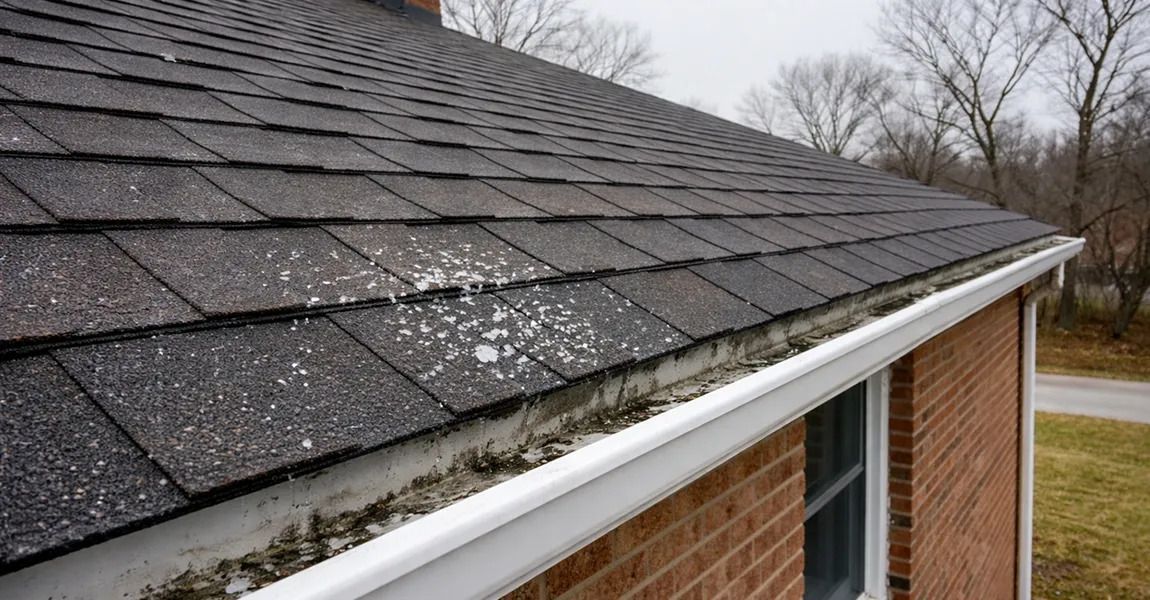
Ice buildup doesn’t stop at the roofline, it often damages gutters and siding too. As ice expands, it strains gutter fasteners, pulls them away from fascia boards, and causes leaks along seams. Meltwater dripping down can also stain siding or cause localized wood rot.
That’s why effective ice dam prevention in St. Charles includes full gutter inspection and cleaning before winter. Ensuring proper slope and secure attachment helps your drainage system handle meltwater safely.
A Roofer’s Perspective: What We See Every Winter
As licensed roofers serving St. Charles County for years, we’ve seen how small oversights lead to big headaches. Every winter, our team responds to calls after the first deep freeze, attic leaks, ceiling stains, or hanging icicles that weigh down gutters.
Our advice? Don’t wait for visible ice to act. Proactive ice dam prevention in St. Charles keeps your roof, insulation, and framing intact throughout the cold season. A simple pre-winter inspection can spare you from the stress of emergency repairs in January.
Your Local Partner for Winter Roof Protection
At One Way Roofing LLC, we specialize in roof repair, insulation improvement, and ventilation balancing that deliver lasting ice dam prevention in St. Charles. Our approach combines expert craftsmanship with genuine local experience, because we face the same weather you do.
For seasonal updates, project photos, and community tips, Visit our Facebook page. To address active leaks or schedule proactive maintenance, explore our Roof Repair services and talk to our certified technicians.
Protect your home from ice damage, schedule a roof inspection today.
Frequently Asked Questions
How can I tell if my attic ventilation is sufficient?
Look for even snow cover across your roof. Uneven melting or warm spots may signal poor ventilation, requiring professional adjustment for ice dam prevention in St. Charles.
Can I install insulation myself?
You can add basic insulation, but sealing air leaks and balancing ventilation are best left to professionals familiar with Missouri building standards.
Do ice dams always cause leaks?
Not always immediately, but repeated freezing can eventually force water under shingles and into the attic, which is why early ice dam prevention in St. Charles is so important.
How often should I schedule roof inspections?
Twice a year, once before winter and once after spring thaw, to ensure your roof and gutters are performing as they should.
Is gutter heating tape a good idea?
It can help in problem areas, but it’s not a substitute for proper airflow and insulation. It should be part of a larger ice dam prevention in St. Charles’ plan.